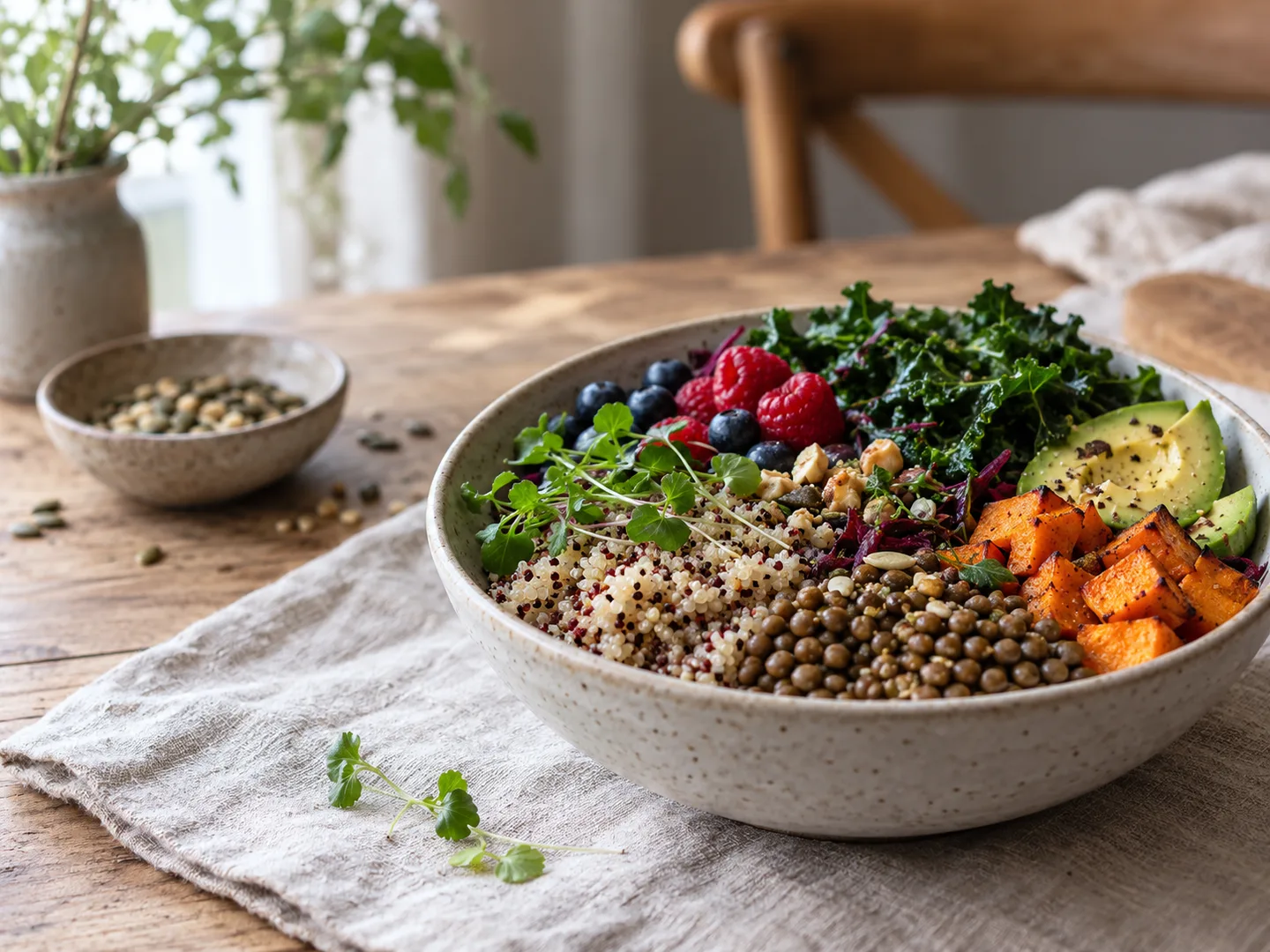
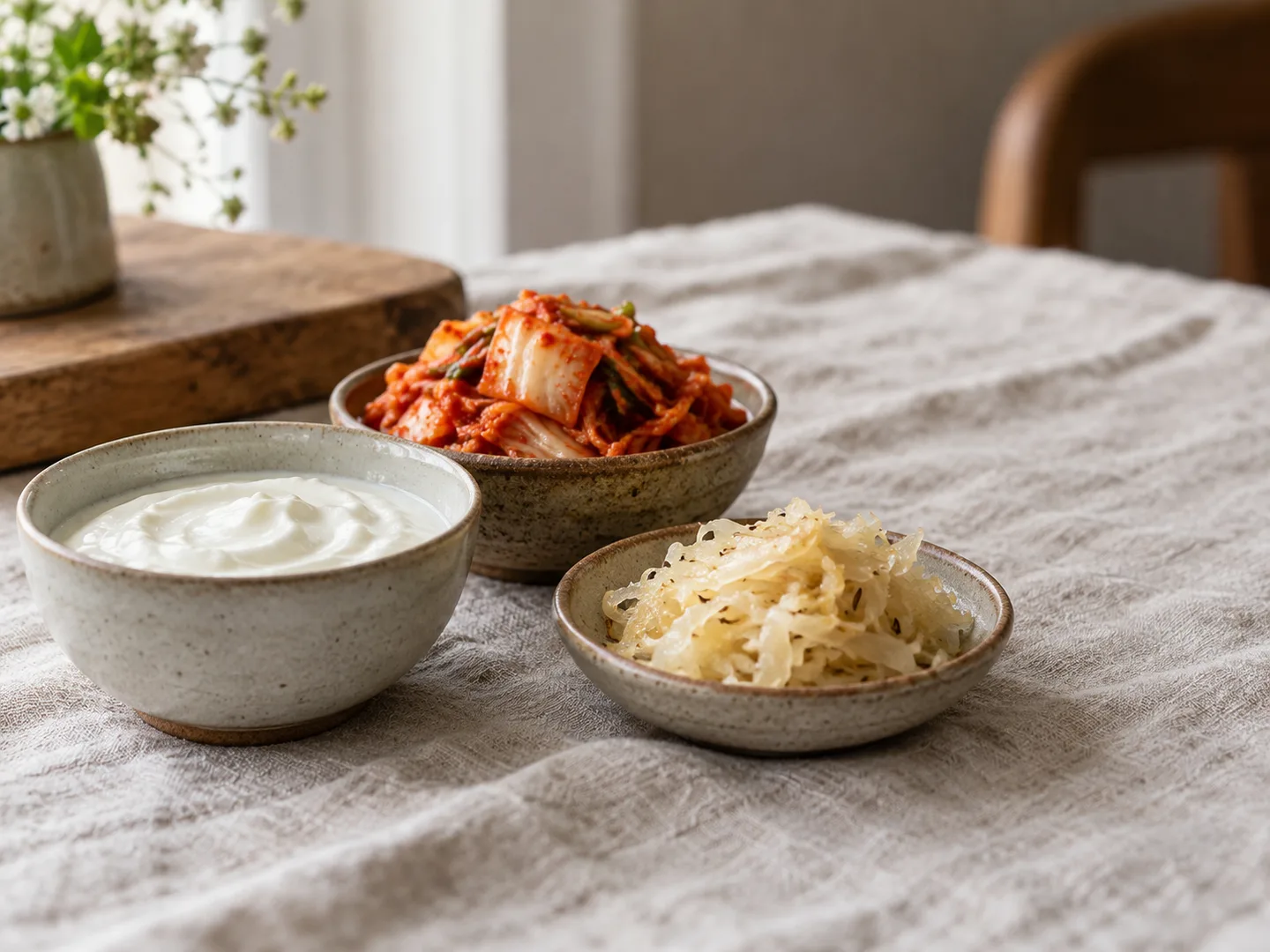
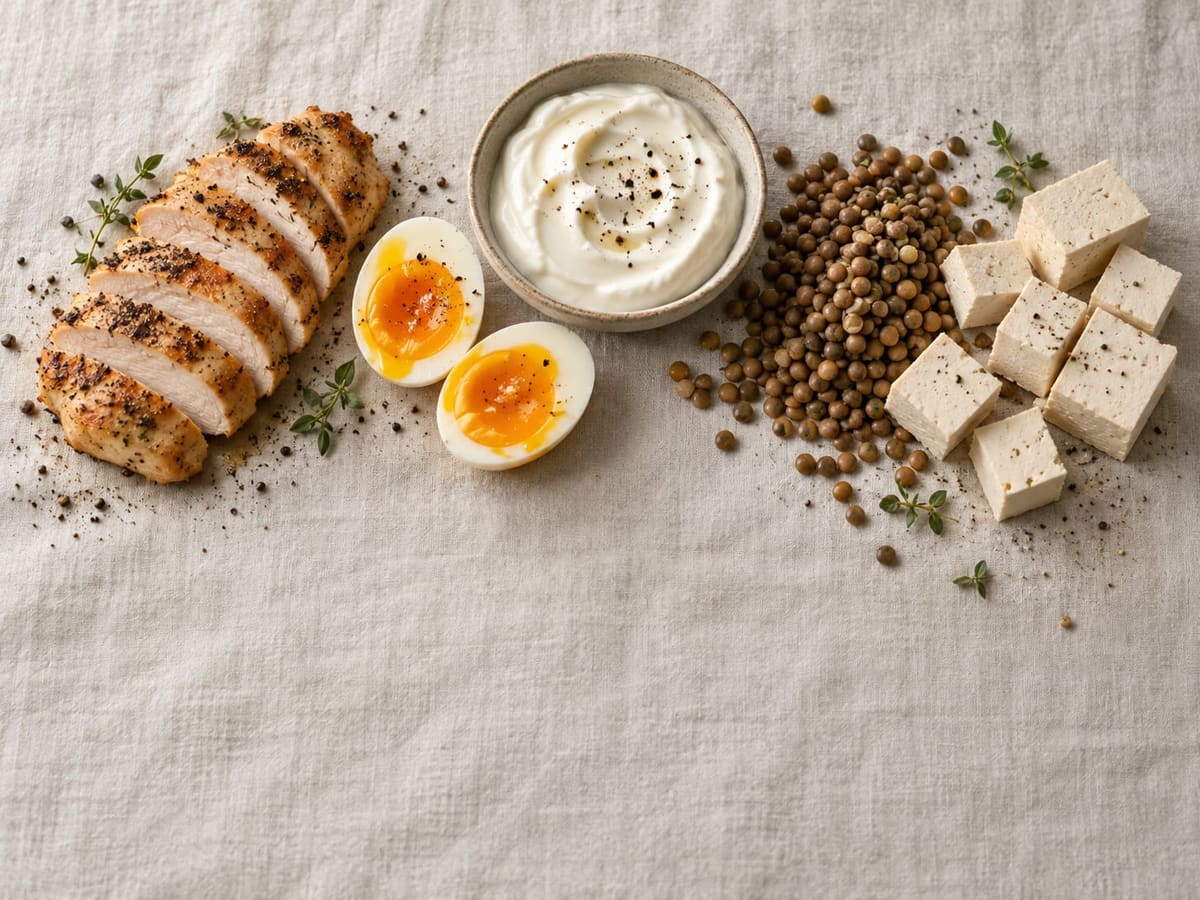
A low-FODMAP week that doesn't feel like punishment
Seven days of meals built to calm an irritable gut while still tasting like food.

In this article
Most low-FODMAP guidance reads like a list of things you cannot have. Onion, garlic, wheat, apples, milk, beans, cauliflower, most stone fruit, cashews, honey. Written that way it sounds like a week of plain rice and sadness, which is a shame, because the diet is a diagnostic tool rather than a punishment and it works considerably better when the food is good enough that you actually finish the week.
This is a seven-day plan built from meals that happen to be low in FODMAPs rather than meals stripped down to comply. Before any of it, one piece of housekeeping that matters more than the recipes: a low-FODMAP trial should be done with a dietitian if you can get one, and it should be done after your GP has ruled out coeliac disease and anything else that needs excluding. The restriction phase is not a long-term way to eat.
What FODMAPs are, briefly
FODMAPs are a group of short-chain carbohydrates that are poorly absorbed in the small intestine: fructans, galacto-oligosaccharides, lactose, excess fructose and polyols. In most people they travel on to the large intestine, get fermented by gut bacteria, and cause nothing worse than some gas. In people with irritable bowel syndrome, whose guts tend to be more sensitive to stretch, the same fermentation and the water they draw in can produce real pain, bloating and disrupted bowel habits.
The approach has three phases. With professional guidance, a person tries a short restriction phase, then reintroduces FODMAP groups to understand their own tolerance, and finally personalises a less restrictive long-term diet. Monash University describes restriction as a temporary step, typically lasting two to six weeks. Reintroduction matters because the aim is not to exclude every FODMAP-containing food forever.
Three swaps that do most of the work
Before the meal plan, the small number of changes that remove the majority of FODMAPs from ordinary British cooking. Everything else is detail.
- Onion and garlic out, garlic-infused oil in. The fructans are water-soluble and do not transfer to oil, so infused oil gives you the flavour without the trigger. The green tops of spring onions and leeks are fine; the white bulbs are not.
- A wheat-based food may need a portion or product swap during the trial. Rice, potatoes, oats and some specially tested breads can be options, but check current portion guidance rather than assuming every sourdough is suitable.
- Regular milk out, lactose-free milk or hard cheese in. Lactose-free dairy is ordinary dairy with the lactose already split, so it behaves normally in cooking.
Seven days of actual meals
Portions matter here as much as ingredients, because several otherwise-fine foods become a problem in quantity. Keep servings ordinary and spread them out rather than eating three of a borderline food in one sitting.
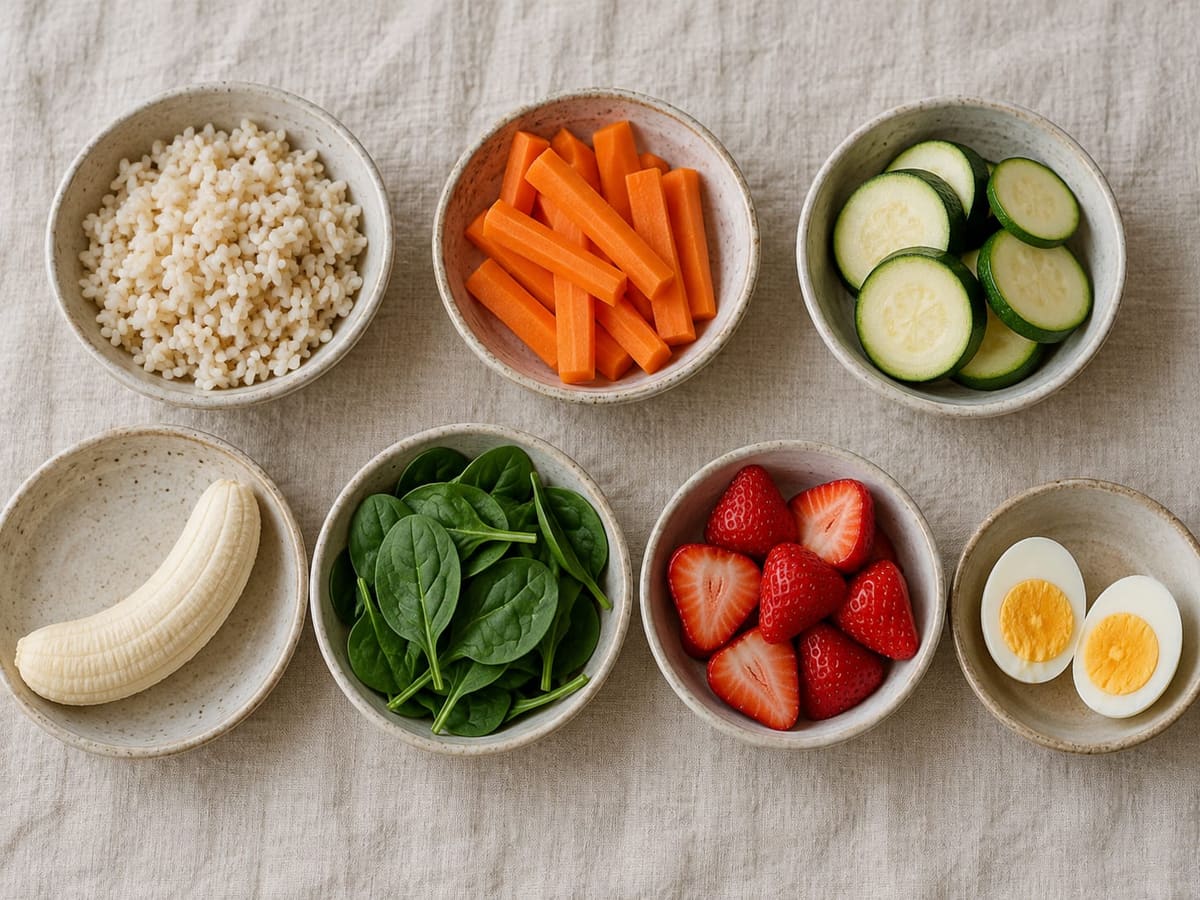
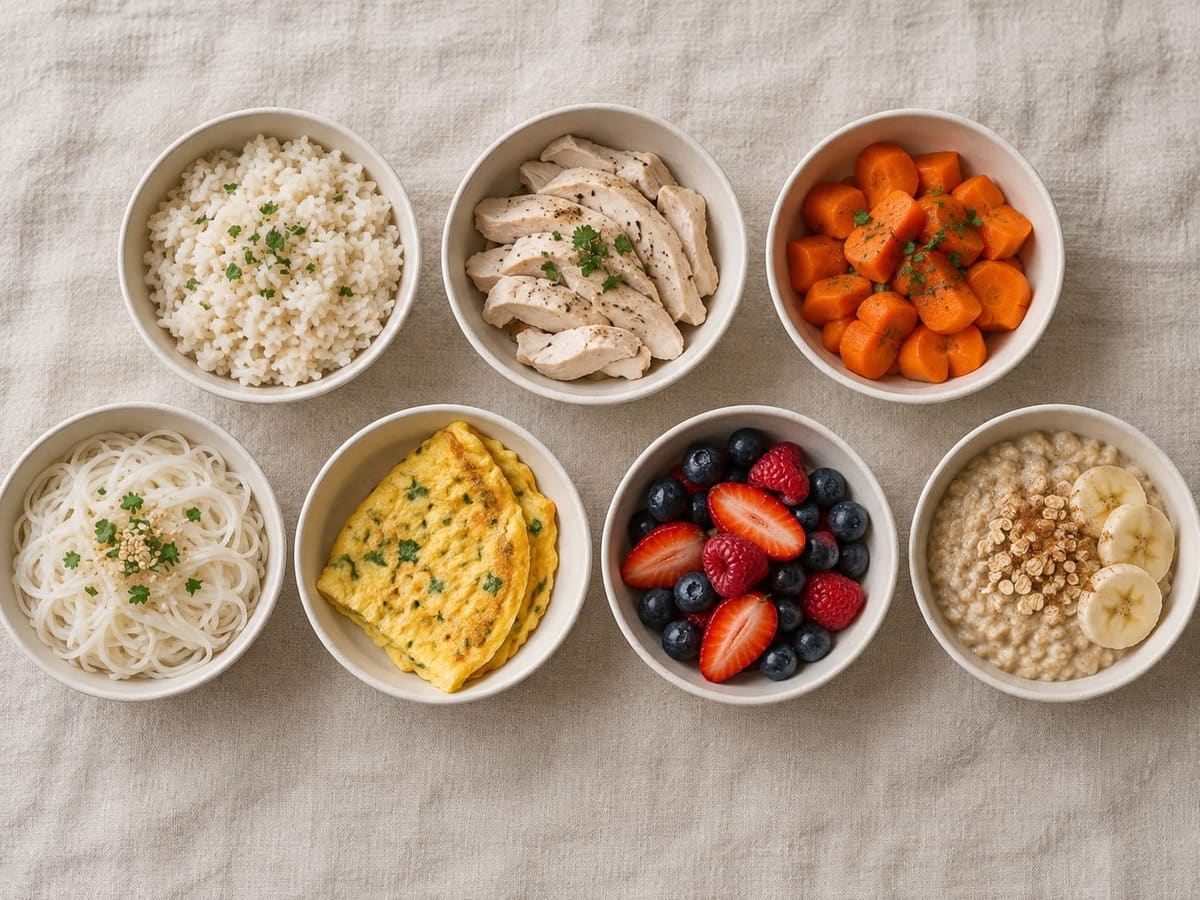
- Monday. Porridge made with lactose-free milk, blueberries and maple syrup. Lunch: rice noodles, prawns, carrot and spring onion greens in garlic-infused oil. Dinner: roast chicken thighs, potatoes and green beans.
- Tuesday. Scrambled eggs on sourdough spelt toast. Lunch: leftover chicken with rice, cucumber and a lemon dressing. Dinner: salmon fillet, polenta, courgette.
- Wednesday. Lactose-free yoghurt with strawberries and a few walnuts. Lunch: jacket potato with mature cheddar and chives. Dinner: beef mince and tinned tomato sauce over rice pasta, oregano and infused oil doing the work the onion used to.
- Thursday. Overnight oats with lactose-free milk and a firm banana. Lunch: tuna, rice, red pepper, spinach. Dinner: pork chop, mashed potato, roast carrots.
- Friday. Omelette with cheddar and spring onion greens. Lunch: rice paper rolls with prawns, carrot and mint. Dinner: homemade burgers on gluten-free buns with chips and a tomato salad.
- Saturday. Eggs, grilled tomato and a bread confirmed suitable for your plan. Lunch: a portion of drained tinned lentils checked against current guidance, with rice, cucumber and feta. Dinner: stir-fried beef, pak choi and rice in infused oil with ginger and soy.
- Sunday. Buckwheat pancakes with maple syrup and raspberries. Lunch: leftovers. Dinner: roast lamb, potatoes, green beans, gravy made from the pan juices with cornflour rather than a stock cube.
Things that catch people out
Stock cubes, sauces and seasoned foods may contain onion or garlic, so check ingredients. Honey and some sugar-free sweets or gum can also matter for some people. Portions change FODMAP content; even a food that appears in a low-FODMAP list may be unsuitable in a larger serving. Drained tinned pulses may be possible in small tested portions, but the amount should come from an up-to-date guide and your dietitian, not a generic recipe.
A short food-and-symptom note may help you and your dietitian interpret the trial. Record what you ate, approximate portions and what happened without turning the diary into a judgement about food. It can be especially useful during reintroduction, when the goal is to identify personal tolerance rather than keep a growing list of forbidden ingredients.
A final word on when to stop and get help. Low-FODMAP trials are for diagnosed or strongly suspected IBS; weight loss, blood in your stool, persistent vomiting, fever, or symptoms that start after the age of about fifty need investigating properly rather than managing with diet. The same applies if restricting food is making you anxious about eating at all, which happens more often than the cheerful meal-plan literature admits. Speak to your GP or a registered dietitian. None of this is medical advice, and the evidence for the approach, while reasonably good for short-term symptom relief, is much thinner on doing it for a long time.
Check the plan with a trained dietitian
This menu is an illustration, not a prescription. FODMAP amounts depend on portions, processing, ripeness and product ingredients; a named food is not always low-FODMAP in every quantity. Monash University describes a three-step approach with a short restriction phase followed by reintroduction and personalisation. The NHS says a dietitian may recommend the approach when simpler changes have not helped. Use an up-to-date portion guide and professional support rather than copying this seven-day list as a fixed diet.
The goal is to learn which foods you personally tolerate and return to the widest comfortable diet, not to stay in elimination indefinitely. Our microbiome guide explains why a restrictive list is not a general wellness plan, and our fibre guide offers food variety ideas for people who do not need FODMAP restriction. If symptoms are new, severe or accompanied by blood in the stool, unintended weight loss or persistent vomiting, seek medical assessment before experimenting with food exclusions.
Sources
- Three Steps of the Low FODMAP Diet. Monash University.
- Further help and support for IBS. NHS.
- Practical tips for FODMAP reintroduction. Monash University.
Pass it on
XBlueskyEmail